Streamlining Business Operations Through Smarter Digital Procurement Channels
The Evolution of Procurement in a Digital Economy
Procurement has transformed dramatically in recent years as businesses adapt to faster markets and rising competition. Traditional purchasing methods often involved lengthy negotiations, limited supplier visibility, and manual documentation. Today, organizations are shifting toward digital processes that emphasize speed, transparency, and efficiency. In a growing and dynamic market like Saudi Arabia, modern procurement practices are becoming essential for companies seeking agility and cost control.
Managing Excess Materials as a Strategic Priority
Many businesses accumulate excess materials due to project changes, bulk purchasing, or demand fluctuations. These unused resources often occupy valuable storage space and tie up working capital. Rather than allowing materials to remain idle, forward-thinking organizations are exploring digital channels to unlock their hidden value. The ability to sell excess materials online KSA has emerged as a practical solution that converts surplus inventory into financial opportunity while improving warehouse efficiency.
Turning Surplus Into Sustainable Growth
Excess materials are not merely leftovers; they represent potential growth capital. By selling surplus items through online platforms, businesses can recover costs and redirect funds toward core operations or new investments. This approach also supports sustainability by reducing waste and extending the lifecycle of materials. Companies that actively manage surplus inventory often experience improved cash flow and stronger financial resilience, especially during periods of market uncertainty.
Simplifying Procurement for Better Decision-Making
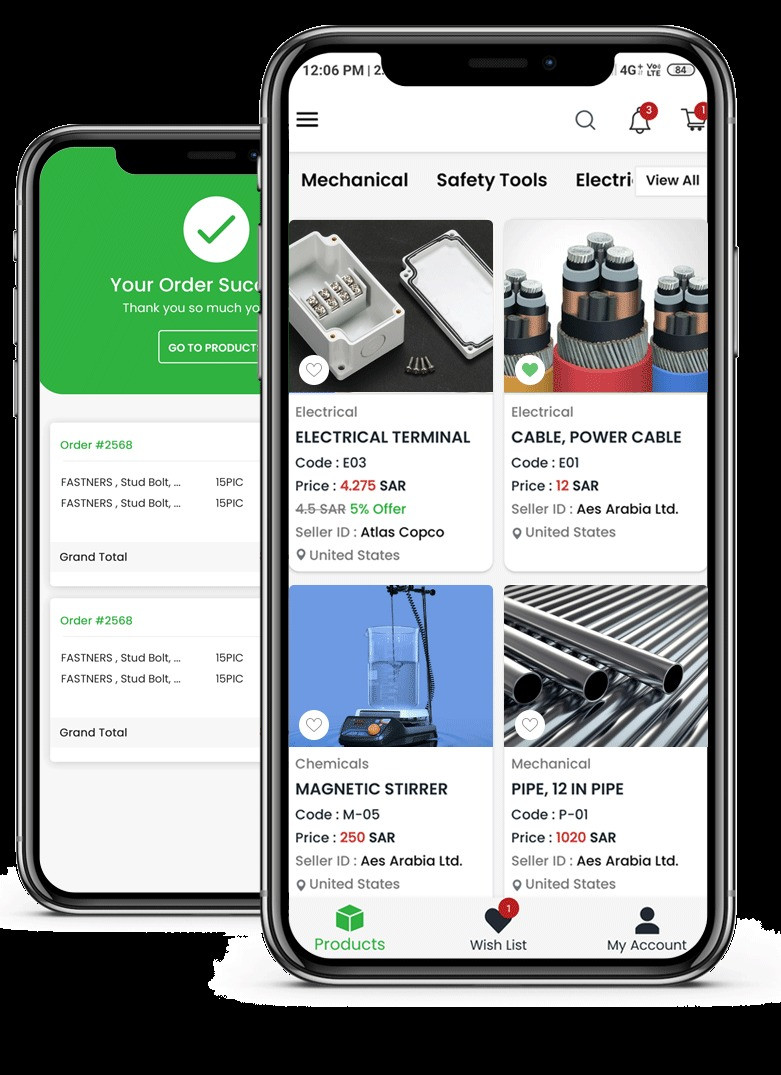
Procurement efficiency depends heavily on access to accurate information and reliable sourcing options. Digital procurement systems streamline supplier discovery, pricing comparisons, and order tracking. These tools reduce administrative burdens and enable faster decision-making across departments. As more organizations embrace digital workflows, the concept of procurement made easy KSA reflects a broader shift toward simplified, technology-driven purchasing that aligns with modern business expectations.
Enhancing Transparency and Trust
Transparency is a cornerstone of effective procurement. Digital platforms provide clear records of transactions, pricing histories, and supplier performance. This visibility builds trust among stakeholders and reduces the risk of errors or disputes. When procurement processes are transparent, businesses gain better control over spending and compliance, creating a more accountable and efficient operational environment.
Supporting Small and Large Enterprises Alike
Digital procurement solutions benefit organizations of all sizes. Small businesses gain access to wider markets and competitive sourcing opportunities, while larger enterprises can manage complex supply chains more effectively. Online platforms level the playing field by connecting buyers and sellers efficiently, fostering collaboration and innovation across industries. This inclusivity strengthens the overall business ecosystem and encourages sustainable economic growth.
Cost Efficiency and Time Savings
One of the most significant advantages of digital procurement and surplus material sales is cost efficiency. Automated processes reduce manual labor, minimize errors, and shorten procurement cycles. Faster transactions mean projects can move forward without unnecessary delays. Over time, these efficiencies translate into measurable savings, allowing businesses to allocate resources more strategically and focus on value-driven initiatives.
Adapting to a Competitive Market Landscape
Saudi Arabia’s business environment is evolving rapidly, driven by diversification and technological advancement. Companies that adopt modern procurement and inventory strategies are better positioned to compete in this landscape. Flexibility, speed, and data-driven decision-making are becoming key differentiators. Organizations that integrate digital solutions into their procurement practices can respond quickly to market changes and customer demands.
Building a Future-Ready Business Model
The future of procurement lies in adaptability and continuous improvement. By embracing digital tools to manage purchasing and surplus materials, businesses create resilient operational frameworks. These strategies not only enhance efficiency but also support long-term sustainability and growth. Smarter procurement and inventory management empower organizations to operate with confidence, clarity, and control in an increasingly interconnected economy.
Comments
Post a Comment